
How Inventory Synchronization Helps Prevent Overselling
How Inventory Synchronization Helps Prevent Overselling
Imagine a customer finds the perfect product on your online store, adds it to their cart, completes the purchase, and then receives a disappointing message: the item is actually out of stock.
For businesses, this situation is more than a simple inventory mistake. It can lead to frustrated customers, canceled orders, negative reviews, and a loss of trust.
As ecommerce businesses grow and sell across multiple channels, keeping inventory information accurate becomes increasingly challenging. Products may be listed on websites, marketplaces, social media stores, and physical locations at the same time.
This is where inventory synchronization becomes essential.
By automatically updating stock information across different systems, businesses can reduce errors, improve order accuracy, and create a smoother shopping experience.
But how exactly does inventory synchronization work, and why is it so important for modern ecommerce operations?
What Is Inventory Synchronization?
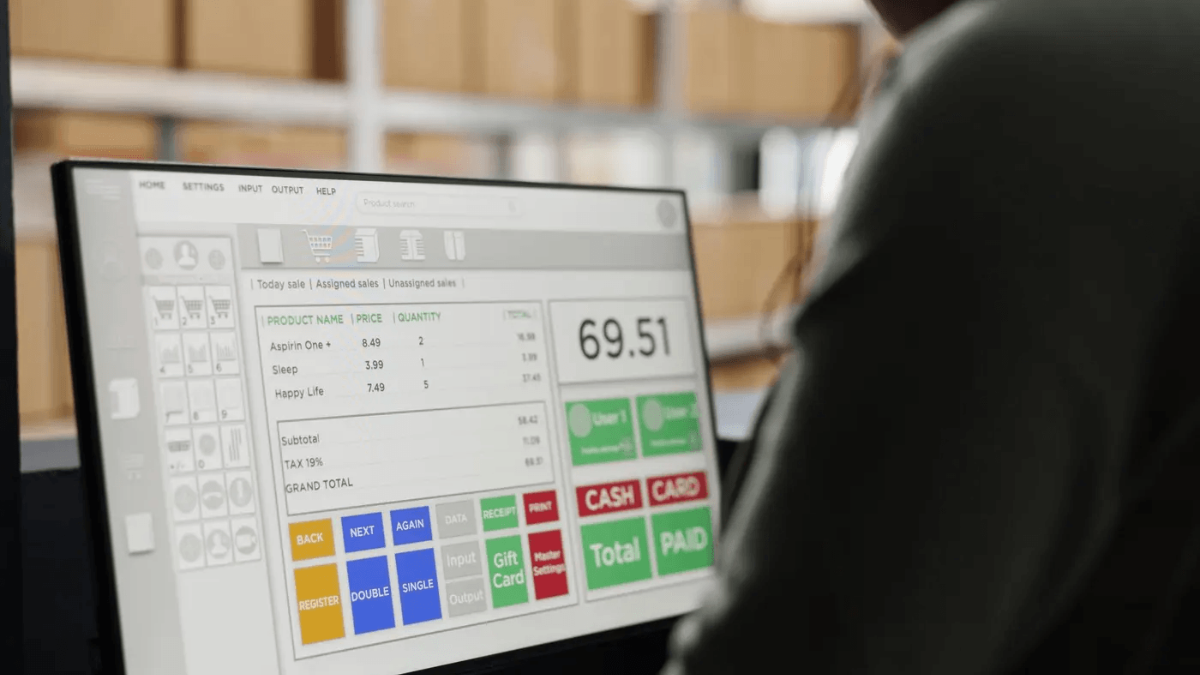
Inventory synchronization is the process of automatically updating product stock information across multiple sales channels, warehouses, suppliers, and inventory systems.
Instead of manually checking and changing inventory levels, synchronized systems allow data to move automatically whenever stock changes.
For example:
- A customer purchases a product from your website.
- The inventory system records the sale.
- Available stock updates automatically.
- Other sales channels show the new quantity.
This creates a connected inventory system where everyone—from customers to suppliers—has access to accurate stock information.
Why Does Overselling Happen in Ecommerce?
Overselling occurs when a business sells more products than it actually has available.
This problem is common among businesses that manage inventory across multiple platforms.
For example, imagine a company has five products available. The same item is listed on:
- Its ecommerce website
- Amazon marketplace
- Social media shop
- Physical retail store
If one customer purchases the product online but the inventory is not updated elsewhere, another customer may purchase an item that is no longer available.
This can create:
- Order cancellations
- Customer complaints
- Refund requests
- Delayed shipments
- Poor brand reputation
As businesses expand, manual inventory updates become harder to manage. Automation becomes necessary.
How Inventory Synchronization Prevents Overselling
The main purpose of inventory synchronization is to create accurate, real-time visibility into available stock.
Here are some of the ways it helps prevent overselling.
1. Keeps Inventory Levels Updated Across Channels
One of the biggest benefits of ecommerce inventory sync is keeping all sales channels connected.
When a product sells, the available quantity updates automatically across every connected platform.
For example:
A customer buys the last available phone case from your website. The inventory system immediately updates the stock level on your marketplace listings, preventing another customer from purchasing the same unavailable item.
This simple automation helps businesses avoid one of the most common ecommerce problems.
2. Provides Real-Time Inventory Visibility
Modern customers expect accurate product availability.
They do not want to place an order only to discover later that the product cannot be fulfilled.
With real-time inventory sync, businesses gain immediate visibility into stock levels.
This allows teams to quickly understand:
- Which products are available
- Which items are running low
- Which locations have stock
- When products need to be reordered
Real-time information helps businesses make faster and smarter decisions.
3. Reduces Manual Inventory Errors
Manual inventory management often involves spreadsheets, repeated data entry, and frequent updates.
While this may work for small businesses with limited products, it becomes risky as operations grow.
Human errors can lead to:
- Incorrect stock counts
- Missing updates
- Duplicate entries
- Delayed product availability changes
Inventory synchronization reduces the need for manual updates by automating the flow of information.
Fewer manual tasks mean fewer opportunities for mistakes.
4. Improves Order Fulfillment Accuracy
Accurate inventory information helps businesses fulfill orders more efficiently.
When inventory data is synchronized, teams can quickly identify:
- Available stock
- Correct warehouse locations
- Product availability
- Shipping options
This improves the fulfillment process and helps customers receive their orders on time.
A smooth fulfillment experience can turn a first-time buyer into a repeat customer.
5. Helps Manage Multiple Warehouses
Many growing ecommerce businesses operate from multiple warehouses or work with different suppliers.
Without synchronization, tracking inventory across locations can become complicated.
Inventory synchronization allows businesses to view stock across multiple locations from one system.
For example, if one warehouse runs out of a product, the system can show whether another location has available inventory.
This makes inventory planning much easier.
The Role of Ecommerce Inventory Sync in Business Growth

As ecommerce businesses grow, managing inventory manually becomes less practical.
More products, more customers, and more sales channels create more opportunities for mistakes.
Ecommerce inventory sync provides the infrastructure businesses need to scale efficiently.
It helps companies:
- Manage larger product catalogs
- Sell across multiple channels
- Improve customer satisfaction
- Reduce operational stress
- Make better purchasing decisions
Instead of spending hours correcting inventory issues, teams can focus on improving customer experiences and growing the business.
Inventory Synchronization and Customer Experience
Inventory management may happen behind the scenes, but customers feel its impact.
Accurate inventory information helps create a better shopping experience by ensuring customers can:
- See correct product availability
- Place orders confidently
- Receive products on time
- Avoid unexpected cancellations
A reliable inventory system builds trust.
Customers may not notice when inventory synchronization works perfectly—but they definitely notice when it does not.
Common Challenges Without Inventory Synchronization
Businesses that rely on disconnected systems may experience several problems.
Stock Inaccuracies
When different platforms show different inventory numbers, businesses cannot accurately understand what is available.
Overselling Popular Products
High-demand products are especially vulnerable to overselling when inventory updates are delayed.
Slow Decision-Making
Without accurate data, businesses may struggle to determine when to reorder products or adjust purchasing strategies.
Increased Operational Work
Employees spend more time checking and updating inventory manually instead of focusing on higher-value tasks.
How to Implement Inventory Synchronization Successfully
A successful inventory synchronization strategy requires the right systems and planning.
1. Evaluate Your Current Inventory Process
Start by identifying where inventory problems occur.
Consider:
- How many sales channels you use
- How inventory is currently updated
- Where errors happen most often
Understanding your current challenges helps determine the right solution.
2. Connect Your Sales Channels
A good inventory system should connect all important platforms, including:
- Ecommerce websites
- Marketplaces
- Warehouse systems
- Supplier platforms
The goal is to create one reliable source of inventory information.
3. Automate Updates
Automation is the key to successful synchronization.
Whenever a sale happens, inventory levels should update automatically without requiring manual intervention.
4. Monitor and Improve
Even automated systems need regular review.
Businesses should monitor inventory accuracy, update processes when needed, and ensure systems continue supporting business growth.
Final Thoughts
In ecommerce, accurate inventory management can be the difference between a smooth customer experience and a costly mistake.
Inventory synchronization helps businesses prevent overselling by keeping stock information accurate across multiple channels and systems.
Through solutions like ecommerce inventory sync and real-time inventory sync, businesses can improve order accuracy, reduce manual work, and create a more reliable shopping experience.
As ecommerce continues to become more competitive, businesses need smarter systems that keep operations organized and customers satisfied.
Because selling more products is important—but making sure you can deliver what you sell is what builds lasting success.
Recent Posts

Aroopa Apps is an AI-powered low-code/no-code platform for building custom business apps, automating workflows, and streamlining business processes faster and smarter.
New Jersey
Aroopa, Inc
111 Union Valley Rd, Suite 206, Monroe Township, NJ 08831
India
Aroopa Technologies Private Limited
No.2, Padmavathi Nagar,
Agraharam Road, Korattur,
Chennai 600076




Aroopa Apps is now on Android & iOS!


Subscribe to Our Newsletter
Copyright © Aroopa Apps 2026