
What Is CRM and How Does It Help Manage Customers?
What Is CRM and How Does It Help Manage Customers?
Every business wants more customers. But as a company grows, keeping track of every conversation, purchase, inquiry, and relationship becomes increasingly difficult.
A customer sends an email. Another reaches out through social media. A sales team member makes a follow-up call. A previous customer returns with a new request.
Without the right system, important details can easily get lost.
This is where CRM technology becomes valuable.
Many businesses use CRM platforms to organize customer information, improve communication, and create better experiences at every stage of the customer journey.
But what is CRM, and why has it become such an important tool for modern businesses?
Let’s explore how customer relationship management works, its benefits, and how it helps companies build stronger relationships with their customers.
What Is CRM?
So, what is CRM?
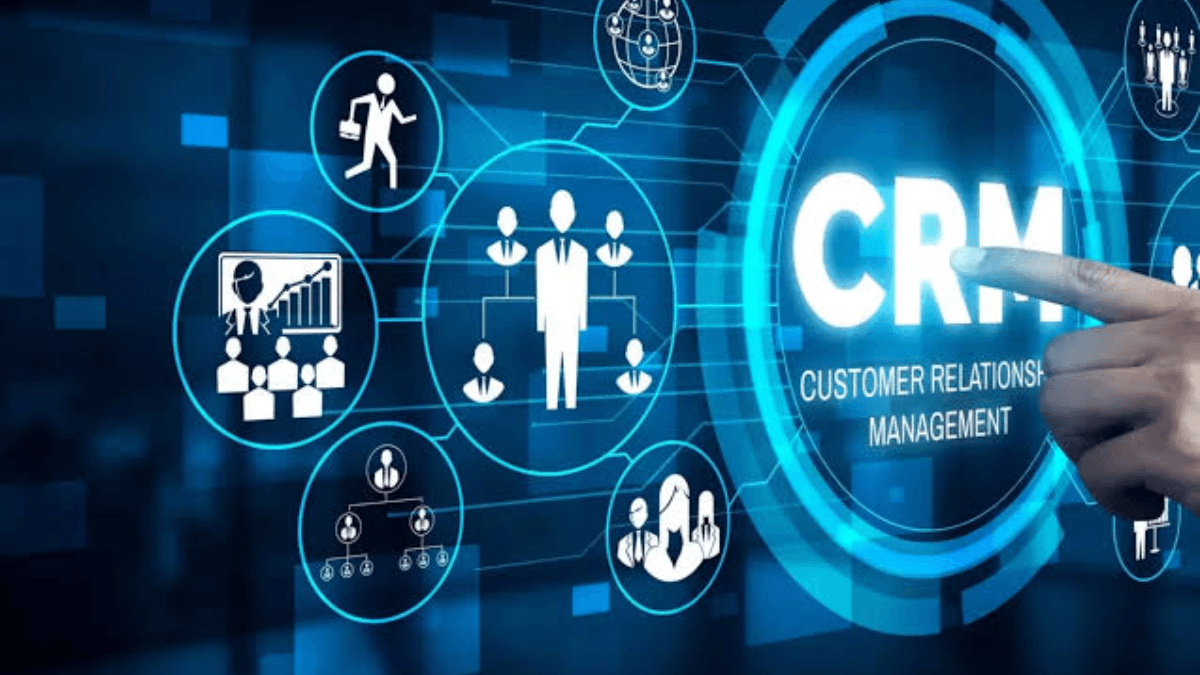
CRM stands for Customer Relationship Management. It refers to a system, strategy, or technology that helps businesses manage interactions with current and potential customers.
A CRM platform stores important customer information in one organized location, allowing businesses to better understand their customers and communicate more effectively.
A CRM system may track information such as:
- Customer contact details
- Purchase history
- Previous conversations
- Sales activity
- Customer preferences
- Support requests
- Marketing interactions
Instead of searching through spreadsheets, emails, or separate databases, teams can access customer information quickly and use it to provide more personalized service.
Why Is Customer Relationship Management Important?
Customers today expect more than just a product or service. They want businesses to understand their needs, respond quickly, and provide consistent experiences.
This is why customer relationship management has become a key part of business success.
A strong CRM approach helps companies:
- Understand customer behavior
- Improve communication
- Build long-term relationships
- Increase customer satisfaction
- Create more effective sales strategies
A customer is not just a transaction. CRM helps businesses see the complete relationship behind every interaction.
How Does a CRM System Work?
A CRM system collects and organizes customer data from different sources and makes it accessible to the right teams.
For example, a customer may:
- Visit a company website
- Submit an inquiry
- Speak with a sales representative
- Purchase a product
- Contact customer support
A CRM can record these interactions, creating a complete picture of the customer journey.
This allows businesses to understand where customers are in the buying process and provide more relevant communication.
Key CRM Benefits for Businesses
CRM platforms offer many advantages, from improving daily operations to helping companies grow.
Let’s look at some of the most important CRM benefits.
1. Better Customer Organization
One of the biggest challenges businesses face is managing customer information effectively.
Without a centralized system, customer details may be scattered across:
- Emails
- Notes
- Spreadsheets
- Different software tools
A CRM organizes this information in one place.
Sales teams, marketing teams, and customer support staff can access updated information without wasting time searching for details.
This creates a smoother workflow and reduces the chances of missing important customer interactions.
2. Improved Customer Communication
Good communication is the foundation of strong customer relationships.
A CRM helps businesses understand previous conversations, customer preferences, and buying history.
For example, when a customer contacts support, the team can quickly view previous issues and provide more personalized assistance.
Instead of asking customers to repeat their entire history, businesses can create a more seamless experience.
3. More Effective Sales Management
A CRM can help sales teams manage leads and opportunities more efficiently.
Sales representatives can track:
- New leads
- Follow-up activities
- Sales conversations
- Customer interests
- Deal progress
This makes it easier to identify opportunities and focus efforts where they are most likely to succeed.
A CRM also helps managers understand sales performance and make better decisions.
4. Personalized Customer Experiences
Modern customers appreciate personalized interactions.
A CRM provides insights that help businesses understand customer needs and preferences.
For example, a company can use customer information to:
- Recommend relevant products
- Send targeted offers
- Remember previous purchases
- Provide customized support
Personalization helps customers feel valued rather than treated like just another number.
5. Increased Customer Retention
Finding new customers is important, but keeping existing customers is equally valuable.
CRM systems help businesses maintain relationships after the first purchase.
By tracking customer interactions, companies can identify opportunities to:
- Follow up with customers
- Offer additional support
- Address concerns quickly
- Build loyalty
Strong relationships often lead to repeat purchases and long-term customer trust.
6. Improved Team Collaboration
Different departments often interact with the same customers.
Without a shared system, teams may have incomplete information or duplicate efforts.
A CRM creates a central source of customer information, helping departments work together more effectively.
Sales teams can understand marketing campaigns. Support teams can see purchase history. Managers can monitor overall customer activity.
Everyone works with the same information.
CRM and Business Growth
As businesses grow, managing customer relationships manually becomes more difficult.
A CRM system provides the structure needed to handle increasing customer interactions without losing the personal touch.
For growing businesses, CRM helps answer important questions:
- Which customers are most valuable?
- Which leads need follow-up?
- What products do customers prefer?
- Where can customer service improve?
These insights help businesses make smarter decisions.
Different Types of CRM Systems
CRM platforms can focus on different areas depending on business needs.
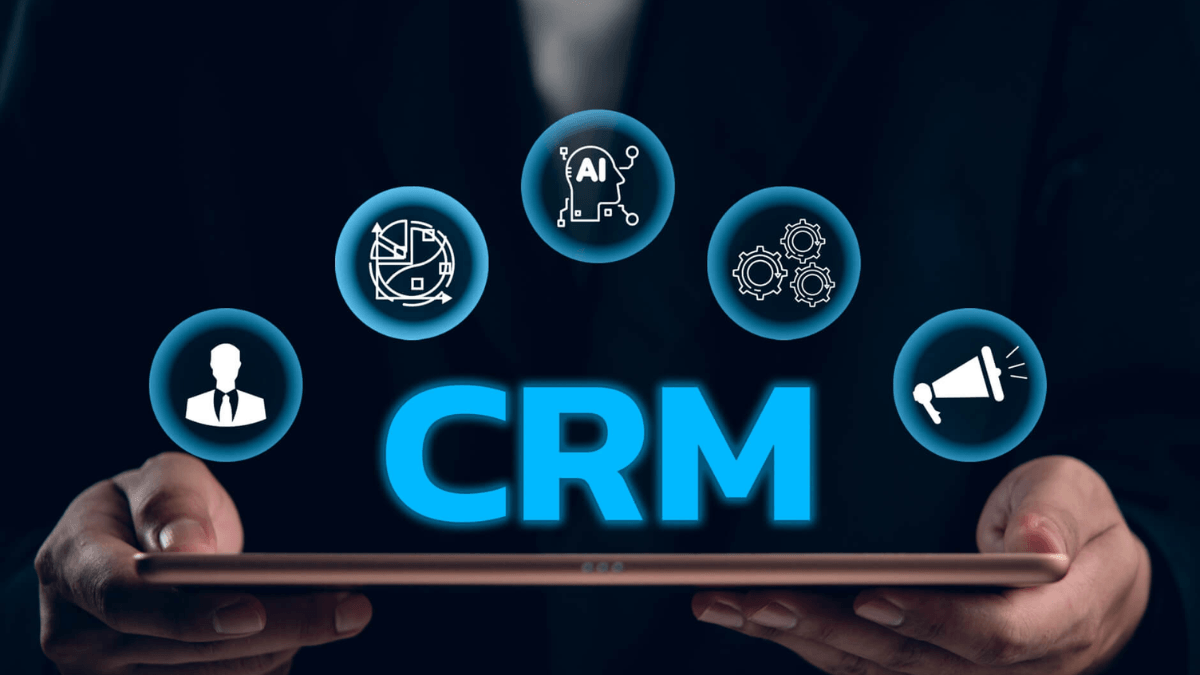
Operational CRM
Operational CRM focuses on automating daily customer-related processes, including:
- Sales activities
- Marketing tasks
- Customer service workflows
Analytical CRM
Analytical CRM focuses on analyzing customer data to identify patterns and trends.
It helps businesses understand customer behavior and make data-driven decisions.
Collaborative CRM
Collaborative CRM helps different teams share customer information and improve communication across departments.
How to Choose the Right CRM System
Not every CRM platform is the same. The right choice depends on your business goals and customer management needs.
Consider factors such as:
- Business size
- Number of users
- Required features
- Integration options
- Budget
- Ease of use
A good CRM should make processes simpler, not create additional complexity.
Common Mistakes Businesses Make Without CRM
Many companies delay using CRM because they believe their current methods are enough.
However, relying only on manual processes can lead to:
- Lost customer information
- Missed follow-ups
- Poor communication
- Limited customer insights
- Inconsistent service
As customer expectations continue to increase, businesses need systems that help them stay organized and responsive.
Final Thoughts
So, what is CRM? It is more than just software—it is a way for businesses to better understand, manage, and strengthen customer relationships.
Through effective customer relationship management, companies can improve communication, create personalized experiences, and build stronger connections with their customers.
The many CRM benefits make it a valuable tool for businesses of all sizes looking to improve efficiency and support long-term growth.
Because successful businesses are not built only on attracting customers—they are built on creating relationships that last.
Recent Posts

Aroopa Apps is an AI-powered low-code/no-code platform for building custom business apps, automating workflows, and streamlining business processes faster and smarter.
New Jersey
Aroopa, Inc
111 Union Valley Rd, Suite 206, Monroe Township, NJ 08831
India
Aroopa Technologies Private Limited
No.2, Padmavathi Nagar,
Agraharam Road, Korattur,
Chennai 600076




Aroopa Apps is now on Android & iOS!


Subscribe to Our Newsletter
Copyright © Aroopa Apps 2026